

Choosing the right shutters for your home may feel like a big decision: You want something that looks great, protects your house, and fits your lifestyle. When looking at options, the Bahama vs. Colonial shutters debate often comes up – especially in certain climates or when considering specific architectural styles.
Both Bahama and Colonial shutters offer protection and curb appeal, but they function very differently and create distinct looks. Understanding these differences helps you pick the perfect fit for your home’s style and your practical needs, especially regarding storm protection shutters. Let’s break down the details of Bahama vs. Colonial shutters so you can make an informed choice.
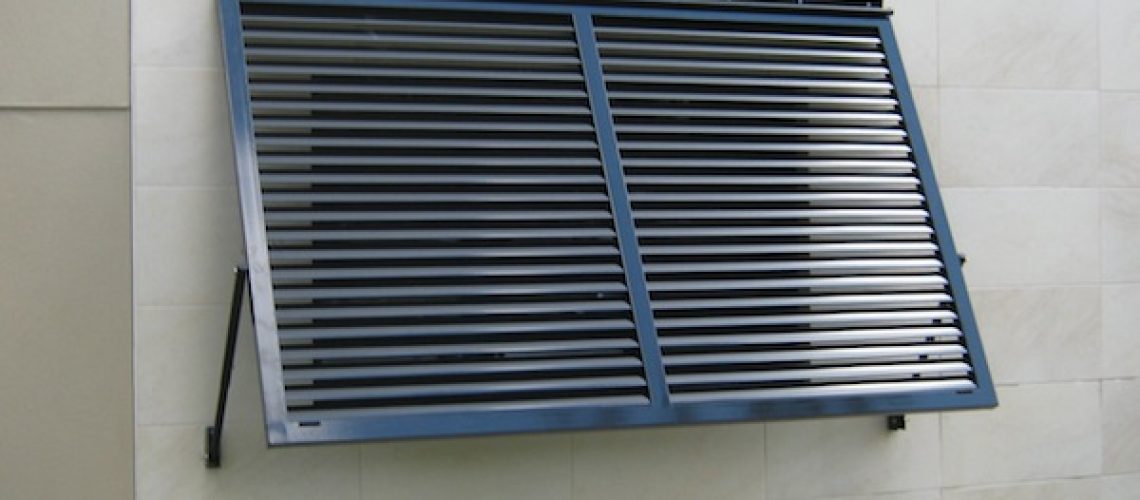
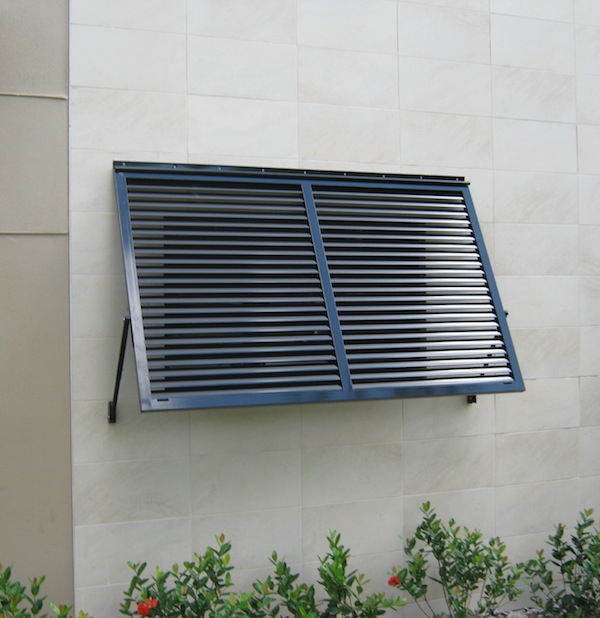
Bahama shutters, sometimes called Bermuda shutters, trace their origins to tropical and coastal regions. Think breezy Caribbean vibes and the functional needs driven by that environment. Their design is practical for sunny, warm climates that are prone to storms – meaning that this type of shutter offers both shade and hurricane protection.
These exterior shutters are hinged at the top of the window, not the sides like many other window treatments. They push out from the bottom, acting somewhat like an awning, and are held open by telescoping arms or fixed support rods. This distinctive top-hinged design is their defining feature, differentiating Bahama shutters from other types.
Most Bahama shutters feature louvers, which are angled slats designed for efficiency. These louvers help block harsh direct sunlight, while still letting indirect natural light and air filter through, helping to cool the home’s interior. Historically made of wood, you can now find these shutters in durable aluminum and composite material too – substances which offer more resilience against moisture, high winds, and pests found in harsh weather conditions.
Colonial shutters are likely what many people picture when they think of traditional exterior shutters. These shutters reflect the architectural styles popular in early American history, hence the name Colonial. You’ll see Colonial shutters on many classic home styles across the country, a look that contributes significantly to aesthetic appeal.
Unlike Bahama shutters, Colonial shutters are hinged on the sides of the window frame, functioning as side-hinged shutters. They operate like little doors, swinging outwards (most commonly) or inwards to open, and meeting in the middle to close over the window. They typically come in pairs, one shutter for each side of the window, providing a symmetrical look.
Traditional Colonial shutters often have solid raised panels or louvers, similar in concept to bahama shutters but within a different operational framework. They can provide complete light blockage and privacy when closed, making them very effective window treatments. Like Bahama shutters, they were once only made of wood but are now widely available in vinyl, aluminum, and composite materials, giving homeowners options for different budgets and maintenance preferences for their protection shutters.
Now that we know the basics, let’s compare them side-by-side. The core differences between Bahama shutters and Colonial shutters affect how they look, how they work, and how they protect your home. Examining these points helps clarify which style – Bahama or Colonial – might be better suited for your specific needs and home’s exterior.
The way these storm shutters open and close is fundamentally different. Bahama shutters hinge at the top and push out from the bottom using support arms. You adjust the angle of these arms to control how much the Bahama shutter extends, thereby managing shade and airflow.
Closing them for storms or privacy typically involves releasing the arms and securing the shutter flat against the window, often with pins or clips near the sill. This operation is quite distinct from traditional window coverings and most other hurricane protection systems. The ease of deployment is a significant factor during hurricane season.
Colonial shutters, being side-hinged shutters, swing open horizontally like small doors. You usually need hardware called tiebacks, often referred to as shutter dogs, to hold them open against the house wall, preventing them from swinging in the wind. Closing colonial shutters means swinging them shut over the window and latching them in the center or securing them with a horizontal bar for added storm protection.
Bahama shutters excel at providing shade while maintaining some visibility and airflow, which is a major draw for the decorative Bahama shutter style. The louvers block direct, high-angle sun, reducing heat gain inside your home significantly. But, because they are designed to be propped open even when providing shade, they always allow some ambient light in and permit outward views through the slats.
You can adjust the angle to control light levels to some extent, tailoring the amount of natural light entering the room. For privacy, the louvers offer partial screening, but people might still see shapes or movement from certain angles, especially at night. They don’t offer total blackout conditions, unlike some other protection systems.
Colonial shutters offer more of an all-or-nothing approach regarding light and privacy. When fully open, they allow maximum light and visibility into the room. When closed, especially solid panel versions, colonial shutters completely block out light and deliver total privacy. Much like closing a solid door, Colonial shutters are effective protection shutters against any light intrusion.
Here again, the design dictates performance between Bahama shutters and Colonial shutters. Bahama shutters are designed with airflow as a key benefit. Even when partially extended to provide shade, the louvers and the open bottom allow breezes to pass through easily, promoting ventilation.
This makes Bahama shutters a popular choice in climates where natural ventilation is welcome most of the year. You get shade without making a room feel stuffy or stagnant. This passive cooling can also help reduce energy costs associated with air conditioning.
Colonial shutters, when closed, generally block most airflow, sealing the window opening more completely. To receive ventilation through the window, you need to swing them fully open and secure them against the house. Thus they do not offer the same passive, shaded ventilation feature found in the Bahama shutters design.
Both shutter types can offer significant storm protection against high winds and flying debris, which is a primary reason for their development and continued use in vulnerable areas. Reputable sources confirm that well-built, properly installed hurricane shutters are recommended for hurricane protection. Both Bahama and Colonial shutters’ hurricane protection capabilities are significant.
Bahama shutters are often praised for their quick deployment before a storm: You just release the support arms and secure them flat against the window. Their single-piece construction covers the entire window opening effectively. Many modern bahama shutters offer designs that meet local building code requirements for hurricane-force winds, functioning as reliable storm protection shutters.
Colonial shutters also provide robust hurricane protection when closed and securely latched. Properly secured, the two panels form a strong barrier over the window, protecting windows effectively. Like Bahama shutters, many Colonial shutters are available as hurricane-rated shutters, meaning they provide impact resistance and are designed to meet building codes and withstand severe weather. The result is enhanced protection against hurricane damage.
Comparing these styles to other storm shutter options like accordion shutters or rolling shutters, both Bahama and Colonial styles deliver better aesthetic appeal when not deployed. And while hurricane fabric and hurricane panels can be effective, they require more storage space and potentially longer installation times – which may be a negative when a storm hits during peak hurricane season.
Choosing between Bahama vs. Colonial shutters often comes down to the desired look for the home’s exterior. Bahama shutters instantly evoke a coastal, tropical, or island feel, sometimes called Bermuda shutters. They pair well with ranch houses, beach bungalows, Mediterranean designs, and even some contemporary styles, adding a relaxed pleasing Bahama look.
Their angled profile (when open) adds a distinct architectural element. Some people love the relaxed look they provide and the unique visual interest they add. Because of this, a decorative Bahama style can significantly enhance curb appeal.
Colonial shutters, on the other hand, offer a timeless, traditional aesthetic. They are the natural choice for Colonial, Cape Cod, Georgian, Federal, and farmhouse style homes, complementing the historical accuracy of these designs. These shutters contribute to a sense of history and classic elegance, reinforcing symmetry and traditional lines, making them appealing window treatments.
Installation of these shutters differs significantly because of the hinge placement and overall design. Bahama shutters affix above the window trim, requiring secure mounting points capable of handling the shutter’s weight and wind loads. Because they are often single, large pieces covering the entire window, they might require two people to lift and install safely.
The placement and installation of the support arms also requires careful consideration to ensure proper function and angle control. Proper installation is vital for both aesthetics and achieving rated storm protection. Consulting a protection professional or reputable shutter company is often recommended.
Colonial shutters need sturdy mounting points beside the window trim, as colonial shutters affix on the sides. These points must support the weight of each shutter half – when open and closed – and withstand the forces exerted during operation and the added force of high winds. Ensuring the shutters remain level and operate smoothly takes care, and installing the hold-open hardware (shutter dogs) correctly is also part of the process to prevent damage.
Finding a custom window solution might be necessary for non-standard window sizes of both shutter types. Many companies offer custom hurricane shutters built to precise measurements, and a free in-home consultation can help determine the best fit and installation requirements.
Maintenance needs depend largely on the material chosen for your shutters. Wood shutters, whether Bahama or Colonial, require the most upkeep. They need periodic painting or sealing to prevent rot, warping, or insect damage, especially in damp or coastal climates.
Aluminum, vinyl, and composite material shutters are much lower maintenance. Generally, they require only occasional cleaning with soap and water to remove dirt and grime. Hinges, locking mechanisms, and support arms on both types should be checked and lubricated periodically to keep them working smoothly and ensure they function correctly when needed for storm protection.
It’s important that shutters meet local standards for durability and weather resistance. Regular checks ensure your hurricane shutters remain ready for the worst storms. Neglecting maintenance, however, can compromise their protective qualities and shorten their lifespan.
Let’s condense the main points comparing Bahama shutters and Colonial shutters into a quick reference table. This might help you weigh the benefits and drawbacks of each style for your specific situation.
Feature | Bahama Shutters | Colonial Shutters |
Operation | Top-hinged design, push out from bottom. | Side-hinged shutters, swing open like doors. |
Light Control | Adjustable shade, blocks direct sun, allows ambient light. | Full light when open, full block when closed (esp. solid panel). |
Privacy | Partial screening through louvers. | Full privacy when closed. |
Airflow | Good ventilation even when providing shade. | Blocked when closed, full airflow when open. |
Storm Protection | Excellent, quick deployment, often hurricane-rated shutters. | Excellent when closed/latched, often hurricane-rated shutters provide strong protection. |
Aesthetics | Tropical, coastal, relaxed feel, pleasing bahama style. | Traditional, classic, formal look, enhances symmetry. |
Best Fit Styles | Ranch, bungalow, coastal, Mediterranean. | Colonial, Cape Cod, Georgian, farmhouse. |
Primary Benefit | Shade + Airflow + Hurricane Protection. | Classic Look + Security/Privacy + Hurricane Protection. |
Understanding these distinctions is key when comparing Bahama versus Colonial options.
The material you choose for your shutters significantly impacts their look, lifespan, maintenance needs, cost, and even their level of hurricane protection. Both Bahama and Colonial shutter styles are available in several common options. Understanding these materials can guide your decision toward the best long-term investment.
Wood offers a classic, authentic look that many homeowners prefer for its traditional aesthetic. It can be painted or stained any color to perfectly match your home’s exterior. However, wood requires regular maintenance, including scraping, priming, and painting every few years, to prevent rot, warping, and insect damage from harsh weather.
Aluminum is lightweight yet strong, and highly resistant to rust and corrosion, making it an excellent choice for coastal areas with salt spray. It often comes powder-coated for a durable, long-lasting finish available in various colors. Aluminum is a very popular choice for Bahama shutters, especially hurricane-rated shutters, due to its strength-to-weight ratio.
Vinyl is typically the most budget-friendly option for exterior shutters. It’s low maintenance, requiring only occasional cleaning, and is inherently resistant to moisture and insects. However, color choices might be more limited compared to wood or aluminum, and it can sometimes fade over time in direct sun. Also, vinyl may not offer the same level of rigidity or impact resistance as metal or composite options – unless specifically engineered for storm protection.
Composite materials typically blend wood fibers with resins or polymers, aiming to replicate the look and feel of wood without the extensive maintenance requirements. Composites are generally durable, resist warping, rot, and insects effectively, and often hold paint well, offering a good balance of aesthetics and performance. This composite material option is gaining popularity for both Colonial shutters and Bahama shutters.
Discussing specific costs for shutters is challenging because prices vary widely based on window size, chosen material, the required level of storm protection (standard vs. hurricane-rated), customization, geographic location, and whether you opt for professional installation or DIY. However, we can outline general cost trends in the Bahama vs. Colonial shutters comparison.
Generally, standard vinyl shutters tend to be the least expensive option for both styles, offering a basic level of functionality and aesthetics. Custom-sized wood shutters, particularly those made from premium hardwoods, or high-end composite shutters will usually command a higher price. Aluminum shutters often fall somewhere in the middle range, although heavy-duty hurricane-rated shutters made from extruded aluminum represent a significant investment in hurricane protection systems, reflecting their enhanced engineering and testing.
Installation costs also contribute significantly to the total expense. While some handy homeowners might install standard decorative shutters themselves, installing operational hurricane shutters like Bahama shutters or Colonial shutters often benefits from professional expertise. A qualified shutter company or protection professional ensures the protection systems are mounted correctly to meet building code requirements and provide maximum storm protection against hurricane-force winds; this often involves a free in-home estimate to assess the job.
So, how do you ultimately decide between Bahama shutters and Colonial shutters? It really comes down to prioritizing what matters most to you and your specific circumstances. Ask yourself a few key questions to guide your decision.
What is the architectural style of your home? If you have a classic Colonial, Cape Cod, or Georgian home, traditional Colonial shutters will likely look more historically appropriate and enhance its existing aesthetic appeal. If your home leans more coastal, ranch, tropical, or even modern Mediterranean, the distinctive look of Bahama shutters could be a perfect fit, contributing to a relaxed, regional character.
You should also ask yourself: How important is versatile light control versus consistent airflow? If you crave cooling shade during the hottest parts of the day but still want refreshing breezes and some filtered natural light, Bahama shutters offer an ideal solution. If you prefer the option of achieving complete darkness and maximum privacy when desired, or having a completely unobstructed view when open, then Colonial shutters provide that capability more effectively.
What’s your climate like, and what are your storm protection needs? In hot, sunny regions, the constant shade from bahama shutters is highly beneficial. In hurricane-prone areas, both shutters provide excellent protection if properly rated (hurricane-rated shutters) and installed to meet local building codes. Consider ease of deployment; Bahama shutters are generally faster to close than installing separate hurricane panels or hurricane fabric before a storm, while Colonial shutters are also relatively quick to secure.
What’s your budget range, and what is your tolerance for ongoing maintenance? Carefully consider the initial cost versus the long-term costs associated with different materials. Lower-maintenance options like aluminum, vinyl, or composite material might justify a higher initial investment if you dislike the recurring task of painting wood shutters. Ensure the chosen storm shutter meets your performance expectations and fits within your financial plan.
The choice in the Bahama vs. Colonial shutters matchup depends heavily on your home’s architecture, your specific climate challenges, and your personal preferences for function, style, and operation. Bahama shutters, also known as Bermuda shutters, offer a distinct tropical look with excellent capabilities to provide shade and promote airflow. Colonial shutters give a timeless, traditional appearance with robust security features and effective light-blocking capability when closed.
Both types of exterior shutters can provide valuable storm protection against hurricane damage and high winds when built to appropriate standards (hurricane-rated shutters) and installed correctly by a qualified shutter company or protection professional. They are effective protection shutters and hurricane protection systems. Consider options like accordion shutters, rolling shutters, or hurricane panels as well, but Bahama and Colonial styles often add more aesthetic appeal.
By weighing the pros, cons, materials, costs, and functional differences outlined here regarding Bahama vs. Colonial shutters, you can confidently select the shutters that best enhance your home’s beauty, comfort, and protection for years to come, especially during peak hurricane season. Whether it’s the airy charm of the Bahama style or the classic elegance of Colonial, the right choice will add value and security to your home.